
Bridging geoscience and particle physics: My experience at the JpGU-AGU Joint Meeting 2026
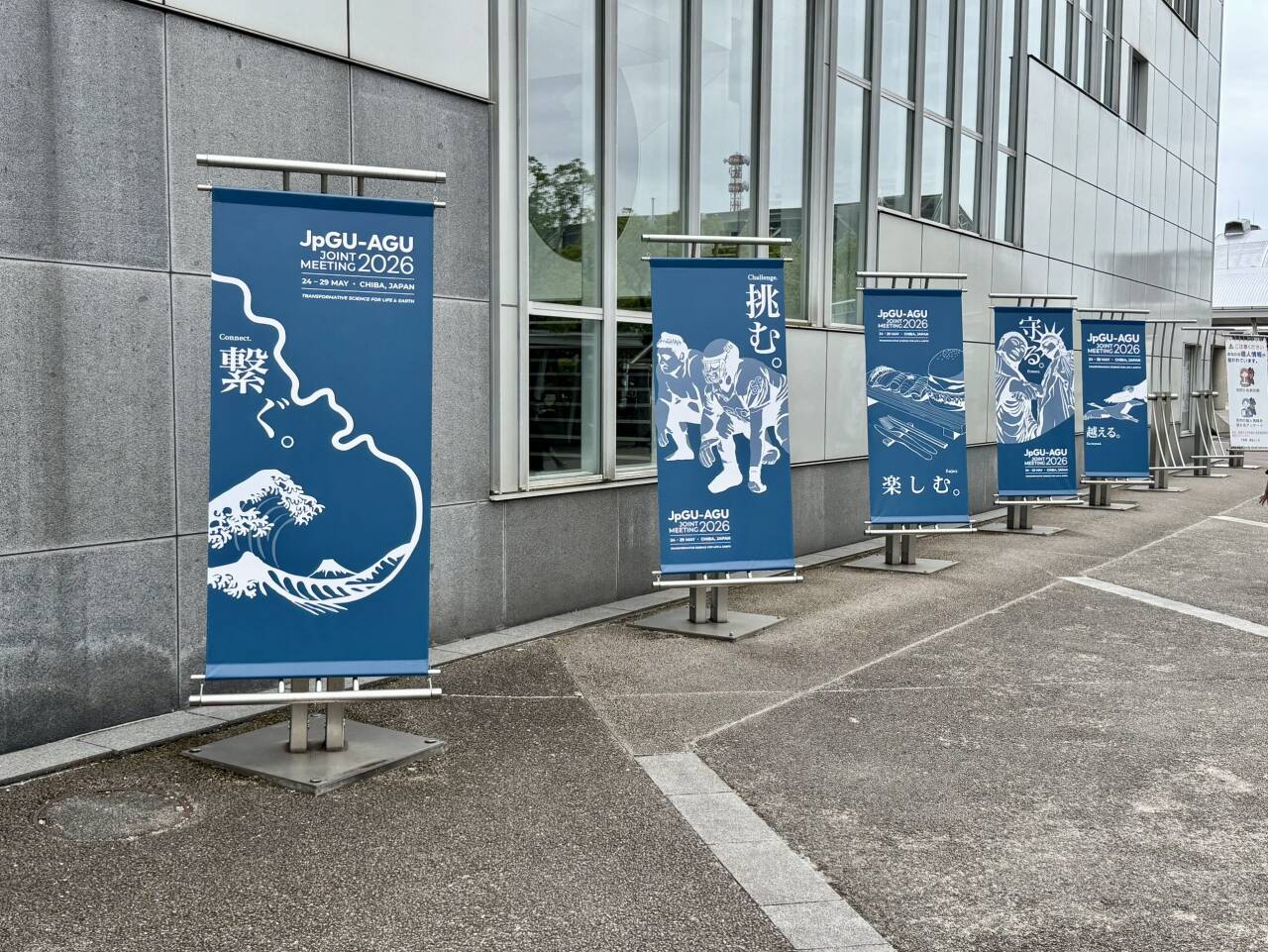
I recently attended the JpGU-AGU Joint Meeting 2026, and I am very glad to share my experience. Since JpGU and AGU held a joint meeting this year, many international scholars attended the conference. It was a wonderful opportunity for me to communicate with researchers from different countries and exchange ideas face-to-face.
My main goal at this meeting was to promote geoneutrinos as a novel method to the broader earth science community. To do this, I gave two presentations from two different perspectives: looking forward to the future and reviewing the past.
My first presentation was on May 24, where I focused on the future possibilities of this field. The talk was titled “Evaluating the measurability of LLSVP chemical composition by future geoneutrino detection.” In this presentation, I discussed how next-generation geoneutrino detectors could help us analyze the mysterious chemical composition of Large Low-Shear-Velocity Provinces (LLSVPs). A few days later, on May 28, I gave my second talk, which took a retrospective look at our progress. Titled “Estimating mantle heat-producing element abundances through global geoneutrino detections,” this talk reviewed how accumulated global geoneutrino data has helped us constrain the abundances of heat-producing elements in the Earth’s mantle.
I was very happy to see that many attendees showed great interest in geoneutrinos and offered their support. It was encouraging to see traditional geoscientists engaging so deeply with our physics-based approach.
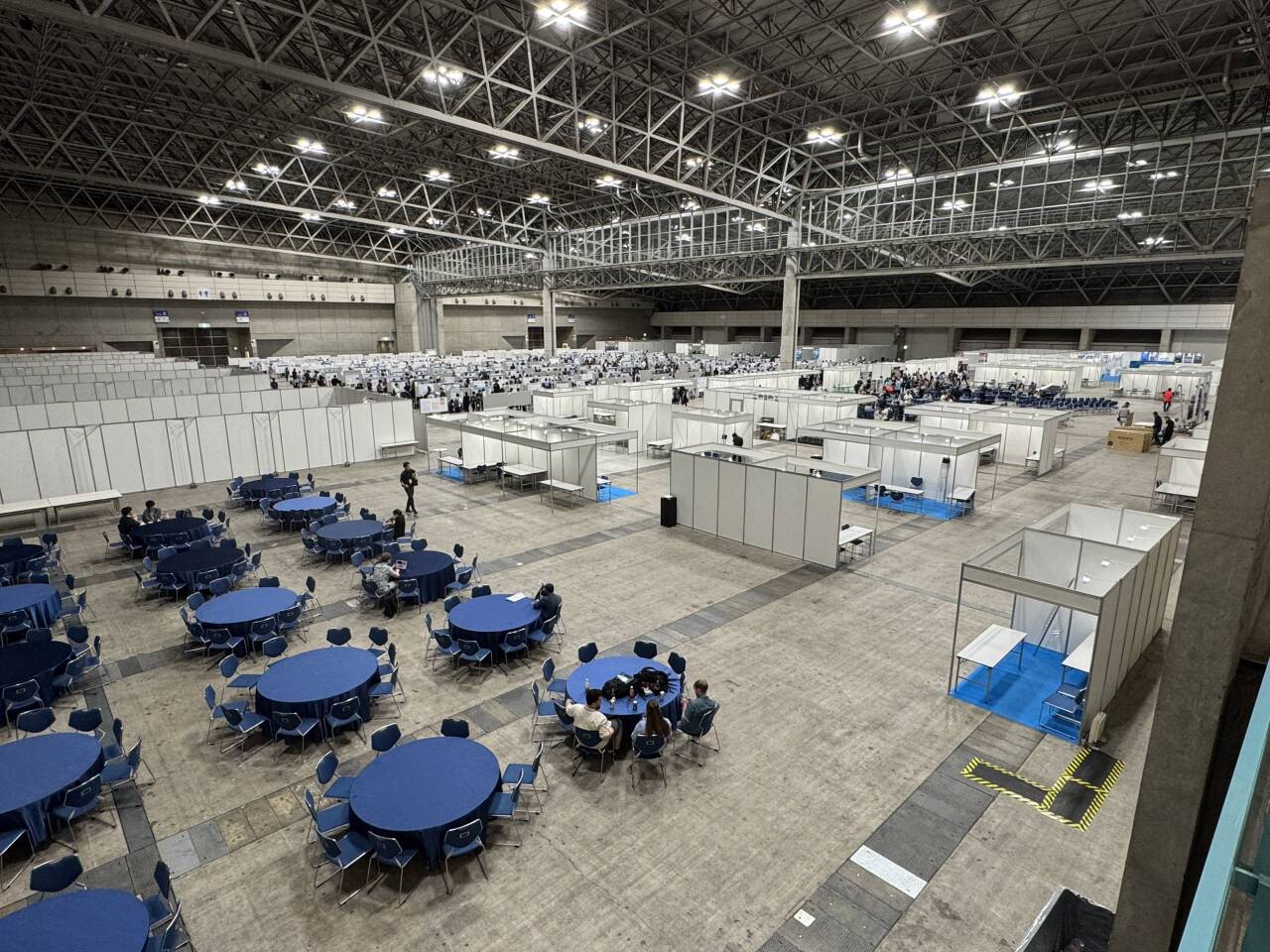
Apart from my own talks, it was exciting to see other researchers presenting significant progress on geoneutrinos at the meeting. For instance, Misaki Hosoya gave a detailed presentation to promote the OBD (Ocean Bottom Detector) initiative, which explained the project’s framework and its future potential for marine observations. Additionally, Prof. William F. McDonough provided a comprehensive review of the entire geoneutrino landscape, giving the audience a clear and complete picture of where the field stands today and where it is heading.
This meeting made me realize how important it is to bridge the gap between particle physics and geoscience. In the future, we will continue to actively explore and unlock the potential of geoneutrino detection. More importantly, we hope to establish closer, organic cooperation with the earth science community to better understand the deep Earth together.